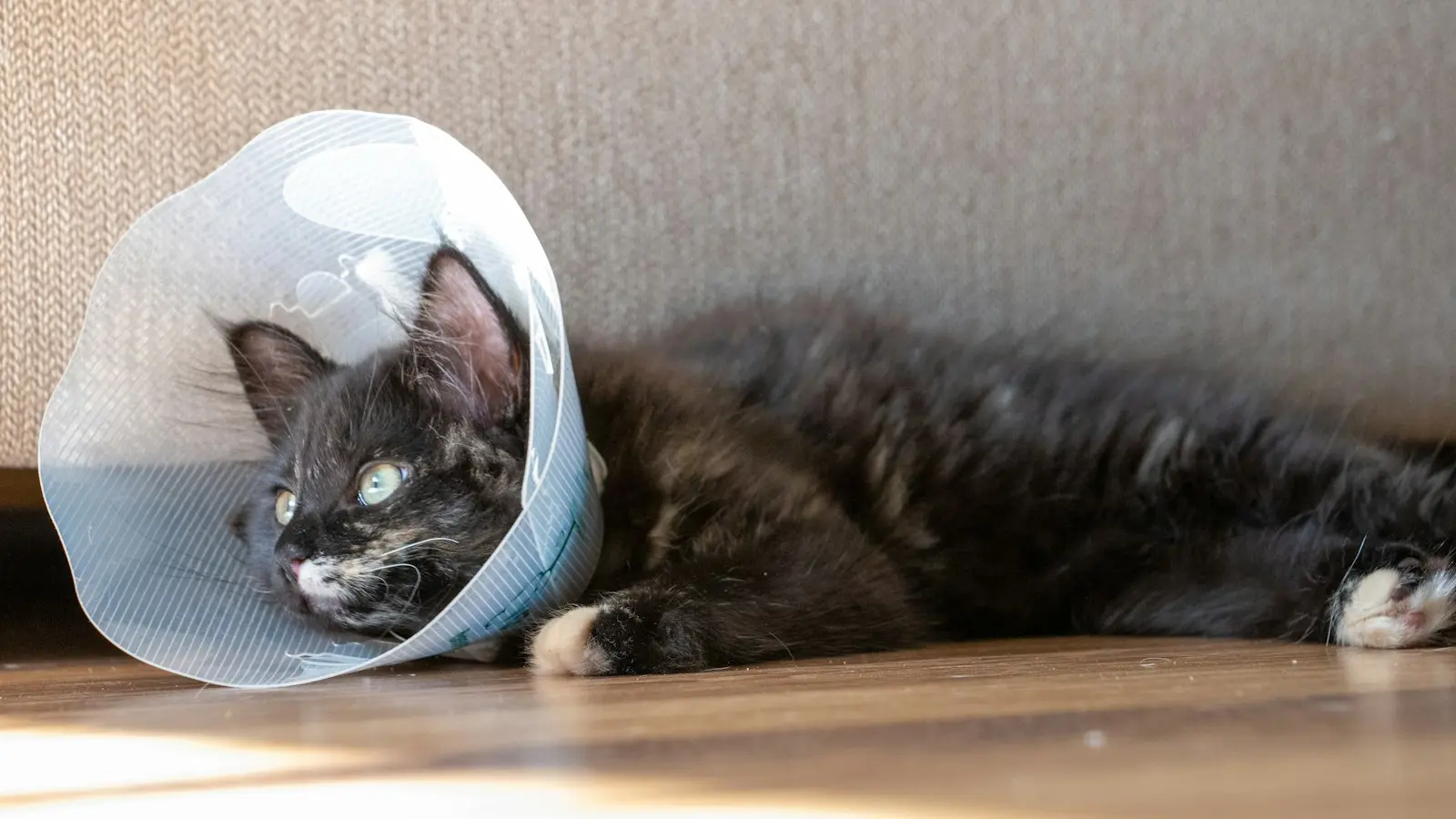
Surgery can be a stressful experience for both pets and their owners. Proper post-surgical care is crucial for your pet's recovery and long-term health, and our team provides guidance and support throughout the entire process.
This guide will help you understand what to expect during your pet's recovery, how to provide the best care at home, and when to seek immediate veterinary attention. Every pet and every surgery is unique, so always follow your veterinarian's specific instructions.
Immediate Post-Surgery Care
The first day after surgery is critical for your pet's recovery. Expect drowsiness and disorientation from anesthesia, reduced appetite and thirst, mild discomfort, possible nausea, and restlessness or confusion. Provide a quiet, comfortable space, keep other pets away initially, offer small amounts of water frequently, follow the medication schedule exactly, and monitor for concerning signs.
Pain Management
Effective pain management is essential for proper healing and your pet's comfort. We use a multi-modal approach that may combine NSAIDs, opioids for severe pain, local anesthetics, and anti-anxiety medication when needed. Give medications with food when possible, use pill pockets or hide them in treats, never give human pain medications, and follow the exact dosing schedule.
Non-medical comfort matters too: soft, supportive bedding, a comfortable room temperature, reduced noise and activity, easy access to food and water, gentle massage if your vet approves it, and heat or cold therapy as directed.
Wound Care and Incision Management
Keeping the surgical site clean and protected is crucial for proper healing and preventing infection. Inspect the incision daily, keep the area clean and dry, prevent your pet from licking or chewing it, monitor for infection, and follow any specific cleaning instructions.
Normal healing looks like slight redness that fades, mild swelling that decreases over time, a small amount of clear discharge at first, incision edges staying together, and gradual improvement in appearance.
Activity Restrictions and Exercise
Proper activity restriction is essential for healing, but some movement is important to prevent complications like blood clots and muscle atrophy.
First week
Avoid running, jumping, playing, stairs, furniture climbing, and roughhousing with other pets; short, controlled leash walks and confinement to a small area are best. Gentle petting, short bathroom breaks, puzzle toys, and quiet family time are all fine.
Weeks 2–4
Activity can increase gradually: longer leash walks, controlled indoor movement, supervised outdoor time, gentle play with soft toys, and short training sessions. Still avoid high-impact activity, off-leash running, rough play, jumping on furniture, and strenuous exercise until your vet clears it.
Nutrition and Feeding
Good nutrition is essential for wound healing and recovery. Start with small, frequent, easily digestible meals, ensure adequate protein, maintain hydration, and follow any special diet instructions. Warming food slightly, hand-feeding if necessary, and using elevated bowls if recommended can all help appetite return.
Contact us if your pet has no appetite for more than 24 hours, vomits after eating, has difficulty swallowing, loses significant weight, or if you have any concerns about nutrition.
Follow-up Care and Monitoring
Follow-up appointments are crucial for monitoring healing progress and addressing any concerns. A typical schedule includes a check at 24–48 hours, incision evaluation at 1 week, a healing progress check at 2 weeks, and a final assessment at 4 weeks, with additional visits as needed. We check incision healing, pain level, mobility, overall health, and whether medications need adjusting.
At home, keep an eye on appetite and water intake, energy level and behavior, the incision site, signs of pain, and bowel and bladder function, and keep a simple record of medication times and any concerns to bring to follow-up visits.
When to Seek Immediate Help
While most pets recover smoothly, it's important to know when to seek immediate veterinary attention. When in doubt, it's always better to call us.
Surgical site issues that need urgent attention include the incision opening or separating, excessive bleeding or discharge, severe swelling or redness, a foul odor, or visible sutures or staples coming out. General health concerns that warrant an urgent call include persistent vomiting or diarrhea, difficulty breathing, severe lethargy or collapse, loss of consciousness, or signs of severe pain.
We provide emergency contact for post-surgical patients — don't hesitate to call us at +91 94600 08740 if you have any concerns about your pet's recovery.