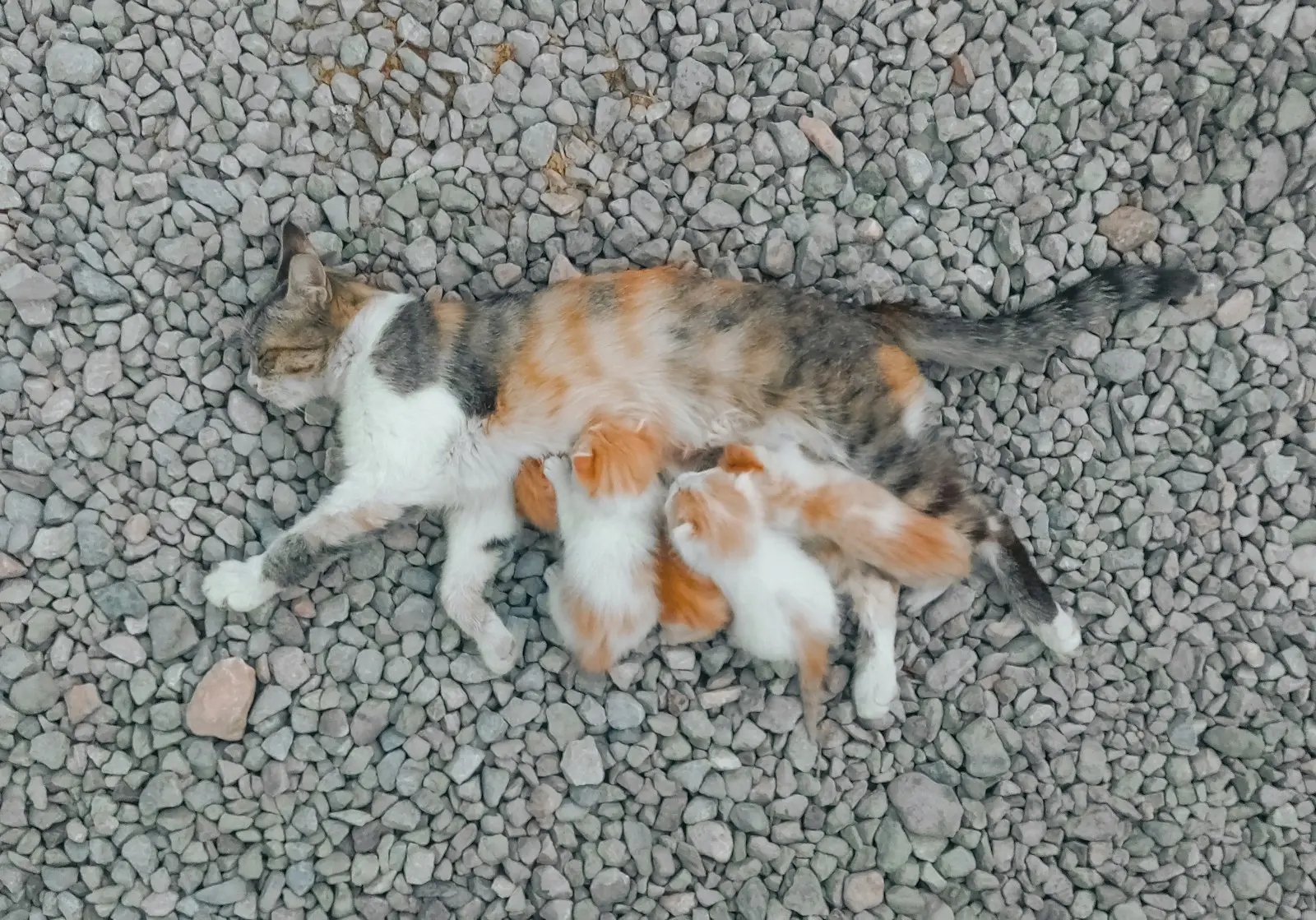
Pregnancy in pets is a beautiful but complex process that requires attentive veterinary care to ensure the health of both mother and puppies or kittens. Our comprehensive prenatal care program addresses nutritional needs, monitors fetal development, and prepares for delivery while minimizing complications.
Whether you're planning a pregnancy or have discovered your pet is unexpectedly expecting, our approach combines preventive medicine, nutritional support, and emergency preparedness to give your pet the best chance for a healthy pregnancy and delivery.
Pre-Pregnancy Planning and Health Checks
The best pregnancies start with healthy parents. We recommend pre-breeding health assessments to ensure optimal reproductive health and identify any potential issues before conception, including a complete physical examination, blood work and urinalysis, heartworm and parasite testing, genetic health screening, a vaccination status review, and a dental health assessment.
Breed matters too: brachycephalic (flat-faced) breeds, giant and toy breeds, and pets with certain lineages carry their own risks, so we also review age-appropriateness, temperament, and pedigree before breeding.
Optimal breeding age
Dogs
- First heat cycle: too early
- 2nd or 3rd heat cycle: optimal
- Large breeds: 18–24 months
- Small breeds: 12–18 months
- Senior breeding: consult a veterinarian
Cats
- Puberty: 5–9 months
- First breeding: after 1 year
- Queen health: excellent condition
- Breeding frequency: limited
- Senior queens: not recommended
Prenatal Care and Monitoring
Regular prenatal check-ups are essential for monitoring fetal development, ensuring maternal health, and identifying potential complications early.
Weeks 1–4
We confirm pregnancy by ultrasound, complete an initial health assessment, develop a nutrition plan, and discuss supplement and activity level guidance.
Weeks 5–6
We monitor fetal heart rate, reassess weight and condition, perform abdominal palpation, run blood work if indicated, and review parasite prevention.
Weeks 7–8 (dogs) and weeks 6–8 (cats)
For dogs, we take radiographs for fetal count, a detailed ultrasound, and monitor maternal blood pressure while adjusting nutrition and preparing for whelping. For cats, we estimate fetal count, monitor queen health, discuss calcium supplementation, and prepare the queening box and an emergency plan.
Nutrition During Pregnancy
Proper nutrition during pregnancy supports fetal development and maintains maternal health. Caloric needs rise gradually through pregnancy: a minimal increase of 10–15% in the first trimester, 20–30% in the second, 40–50% in the third, and roughly double the usual intake during lactation, always adjusted to each pet's body condition.
Key nutrients include high-quality protein for fetal development, essential fatty acids such as DHA, a proper calcium-to-phosphorus ratio for bone development, folic acid for neural tube development, and antioxidants for cellular protection.
Delivery Preparation and Support
Preparation is essential for a smooth delivery. We help you create a safe birthing environment and develop an emergency plan for complications.
Whelping/queening box setup
The box should be roughly twice the mother's length and three times her width, with low sides (6–12 inches), non-slip flooring, easy-to-clean materials, and a private, quiet spot kept at 70–80°F. Have clean towels and blankets, a heating pad or lamp, a digital thermometer, a flashlight and batteries, and our clinic's phone number on hand.
Recognizing labor signs
Early labor in dogs shows as restlessness and nesting, a temperature drop below 100°F, loss of appetite, clear vaginal discharge, and shivering or panting. Active labor brings strong contractions, water breaking, visible puppies or kittens, and active pushing — call us as soon as labor begins.
Emergency Situations and Complications
While most pregnancies progress normally, complications can occur. Knowing when to call us can save lives. We provide emergency support for pregnant and delivering pets.
Pregnancy toxemia is common in cats, especially underweight queens, and shows as vomiting, lethargy, and acetone breath; it needs hospitalization, IV fluids, and medication, and proper nutrition throughout pregnancy helps prevent it. A uterine prolapse, where the uterus protrudes from the vagina, is a true emergency: keep the area moist and transport the animal immediately for surgical correction, which carries a good prognosis with prompt treatment. Fetal distress shows as green discharge or weak fetal movement and may require assisted delivery or a C-section, guided by fetal heart rate assessment — contact us immediately if you notice either sign.
Postnatal Care for Mother and Babies
The postpartum period is critical for maternal recovery and neonatal development. In the first 24 hours, watch for excessive bleeding, confirm the puppies or kittens are nursing, provide fresh water and food, and keep the environment clean. Ongoing maternal care includes weight monitoring, checking mammary health, watching appetite and energy, a postpartum check-up around one week, and continued parasite prevention.
Neonatal development milestones
- Week 1: sleep, nurse, eliminate
- Week 2: eyes open, wobble when walking
- Week 3: play behavior begins
- Week 4: weaning preparation
Watch weight gain, nursing behavior, elimination patterns, activity, and umbilical cord healing throughout, and keep up with regular veterinary check-ups for the litter.