Emergencies can happen when we least expect them, and knowing basic first aid can make the difference between life and death for your pet. Immediate, appropriate action by pet owners can save lives or prevent a condition from worsening. Professional veterinary care is always essential, but your quick response and basic first aid knowledge can stabilize your pet until they reach professional help.
This guide covers the most common emergencies pet owners encounter. This information is for emergency situations only and should never replace professional veterinary care. When in doubt, contact us immediately – we can talk you through the situation over the phone.
Emergency preparedness
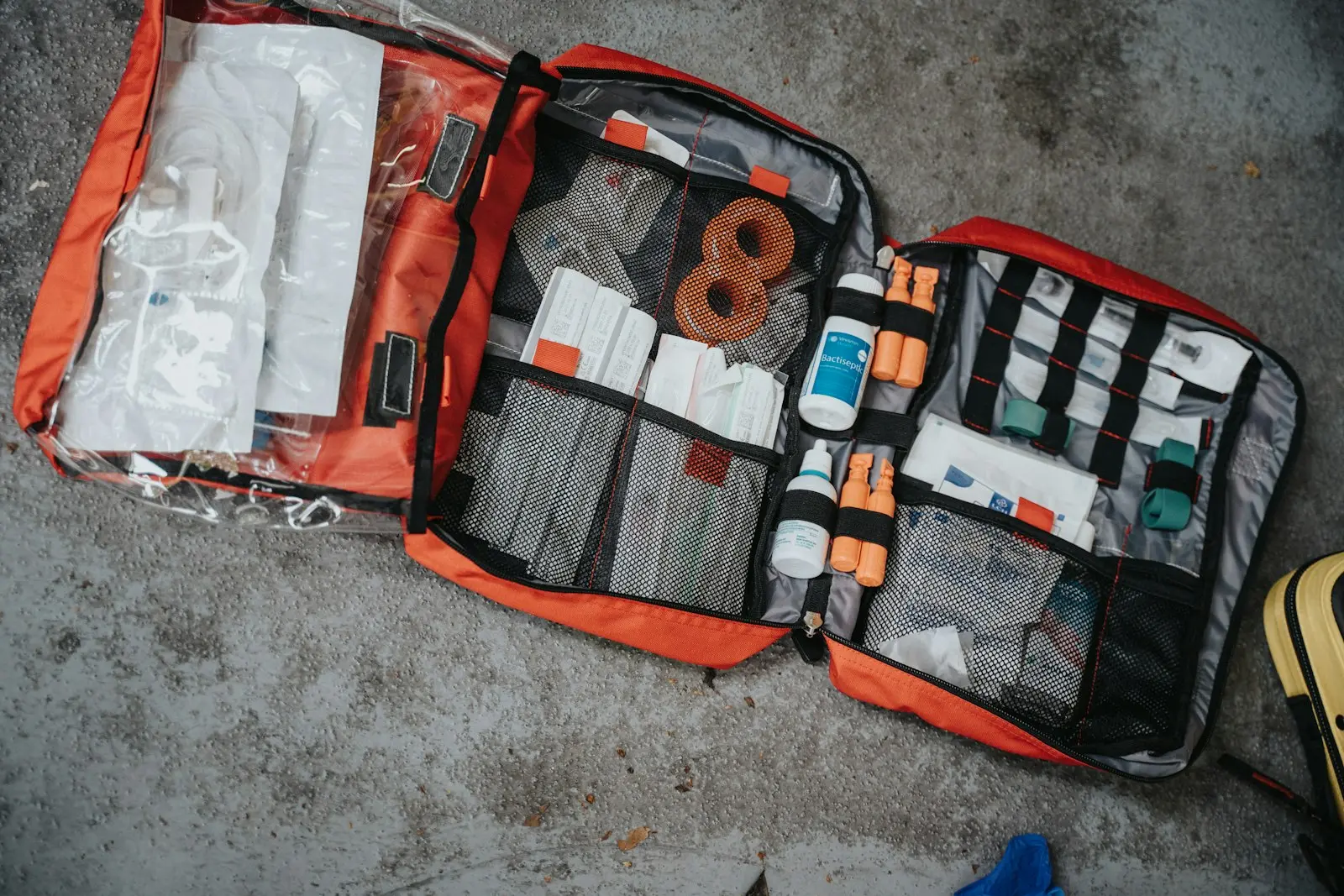
Preparation is the first step in handling pet emergencies. Having the right supplies and information ready can save precious time when every second counts.
Emergency kit essentials
- First aid manual (printed or digital)
- Emergency contact numbers, ours included
- Medical records and vaccination history
- Current medications and dosages
- Pet carrier or stretcher
Supplies to have ready
- Gauze pads and adhesive tape
- Clean towels and blankets
- Digital thermometer
- Muzzle (for dogs) and leash
- Ice packs and heating pad
Know your nearest 24/7 veterinary clinic, have a transportation plan, know your pet's normal vital signs, and know how to restrain your pet safely and load them into a carrier calmly.
Assessing the emergency situation
In any emergency, your first priority is safety – both yours and your pet's. Take a moment to assess the situation, then act decisively.
Check for danger: is the area safe for you and your pet, are there ongoing hazards, and can you approach safely?
- Airway: is breathing obstructed?
- Breathing: is your pet breathing normally?
- Circulation: check pulse and gum color
- Control bleeding: apply pressure if needed
- Call for help: contact us immediately
Common first aid procedures
These basic first aid procedures can stabilize your pet until professional help arrives. Call us first for guidance specific to your situation.
Controlling bleeding
For minor wounds, apply direct pressure with a clean cloth for 5–10 minutes, clean gently with saline if available, and cover with a sterile dressing. For severe bleeding, apply firm pressure directly on the wound with clean cloth or gauze, do not remove embedded objects, and seek immediate veterinary care.
Choking and airway obstruction
Signs of choking include pawing at the mouth or throat, excessive drooling or gagging, difficulty breathing, and blue gums or tongue. Open the mouth carefully and remove any visible object; a Heimlich-style maneuver can be used for dogs (stand behind, thrust upward) or gentle chest compression for cats. Seek immediate veterinary care regardless of outcome.
Burns and heat injuries
For thermal burns, cool the area with cool (not cold) water for 10–15 minutes, do not use ice or ointments, and cover loosely with a clean cloth before seeking veterinary care. For chemical burns, flush with large amounts of water, remove contaminated bedding or clothing, do not attempt to neutralize with other chemicals, and contact poison control immediately.
Poisoning emergencies
If you suspect poisoning, call us or poison control immediately. Do not induce vomiting without guidance. Bring the packaging or a sample of the substance, and note the time of ingestion and amount consumed. Common poisons include chocolate, grapes, onions, and garlic; human medications and supplements; household cleaners and chemicals; rat poison and insecticides; and plants such as lilies and azaleas.
CPR and rescue breathing
Cardiopulmonary resuscitation can save your pet's life in cases of cardiac arrest, drowning, or severe trauma. Professional veterinary care is always preferred, but these techniques can bridge the gap until help arrives.
Signs of cardiac arrest include unconsciousness, no breathing or gasping, no detectable heartbeat, pale or blue gums, and fixed, dilated pupils. Call for help immediately, check airway and breathing, and begin CPR if there is no breathing or heartbeat.
Large dogs (over 30 lbs)
- Place the dog on their right side
- Hands over the widest part of the chest
- Compress 100–120 times per minute
- Compress a third to half the chest depth
Small dogs and cats
- Use one hand for compressions, over the heart area
- Compress gently but firmly
- 100–120 compressions per minute
- Combine with mouth-to-snout rescue breathing
For rescue breathing, close the mouth and breathe into the nostrils, giving one breath every 3–5 seconds and watching for chest rise. Use a ratio of 30 compressions to 2 breaths, alternate with a helper since CPR is tiring, and continue until veterinary help arrives.
Transporting injured pets safely
How you transport your injured pet can affect their outcome. Proper restraint and support prevent further injury and reduce stress during the journey to our clinic.
Conscious pets
- Use a pet carrier or sturdy box
- Support the body with blankets or towels
- Keep the head elevated if possible
- Drive calmly and safely
Unconscious pets
- Use a rigid carrier or board
- Keep in lateral recumbency
- Support the head and neck
- Monitor breathing continuously
Call ahead to alert our team, bring medical records if available, note the time of the incident and symptoms, and bring any vomitus, packaging, or suspected toxins with you.
When to seek professional help
While first aid can stabilize your pet, professional veterinary care is essential for most emergencies.
Call us immediately for
- Any unconscious pet
- Difficulty breathing
- Severe bleeding
- Suspected poisoning
- Seizures or major trauma
Seek care within hours for
- Minor wounds or lacerations
- Limping or minor sprains
- Vomiting or diarrhea
- Minor allergic reactions
- Foreign objects in paws, or minor burns
Our clinic is open daily from 5:00 PM to 8:00 PM for consultations; for after-hours emergencies, contact the nearest 24/7 veterinary emergency service in the Jodhpur area.