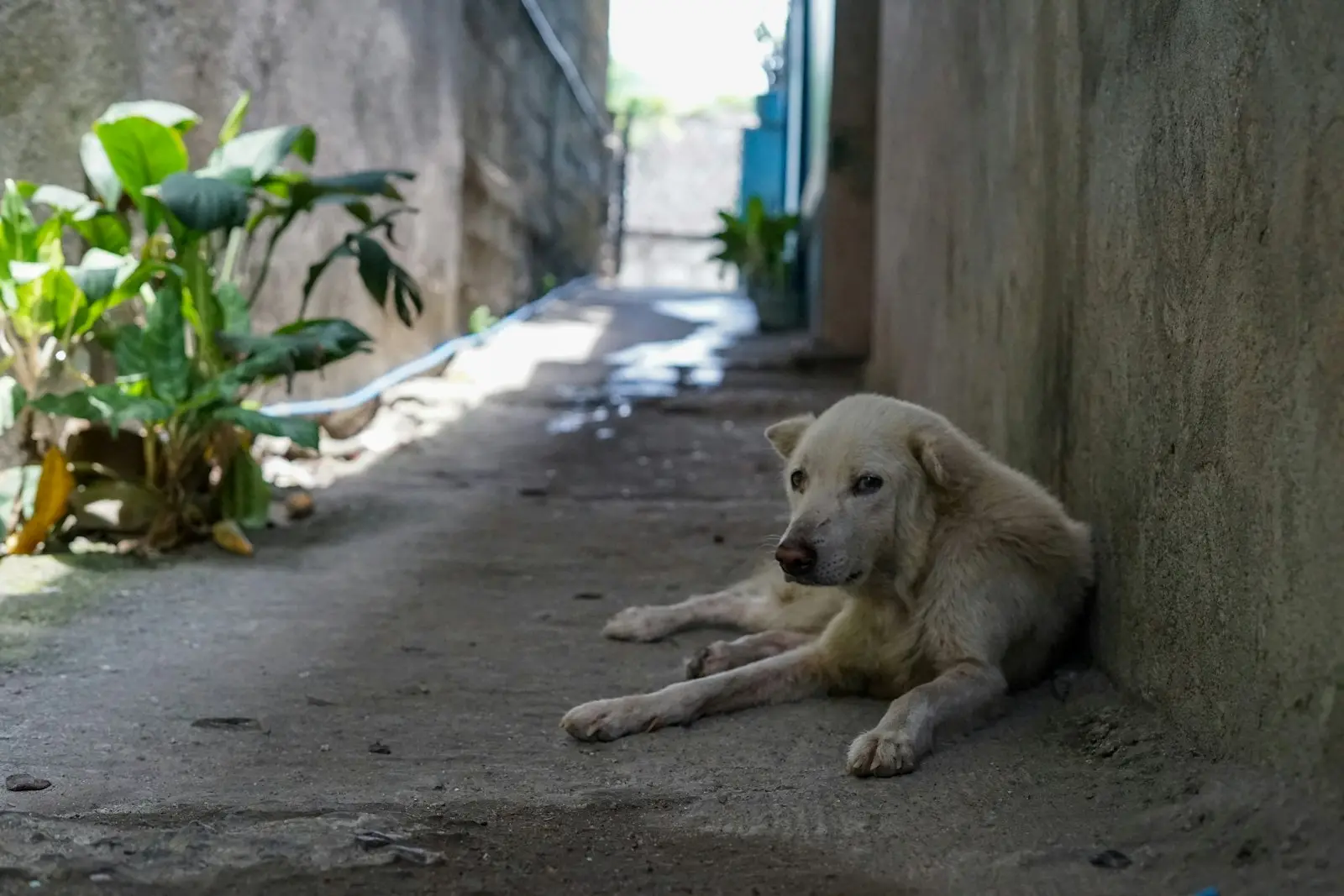
Jodhpur, the Blue City of Rajasthan, sits at the edge of the Thar Desert where summer temperatures regularly soar above 45°C and humidity can drop to near zero. These extreme conditions pose serious risks for our beloved pets. We treat numerous cases of heat-related illness, dehydration, and skin problems caused by the harsh desert environment every year.
Understanding these challenges and taking proactive measures can make all the difference in keeping your pet healthy and comfortable.
Understanding Jodhpur's desert climate
Jodhpur's climate presents dramatic temperature swings throughout the year. Understanding these patterns helps you plan your pet's care routine effectively.
Summer (March–June)
- Temperatures reach 45–48°C
- Hot desert winds (loo) blow frequently
- Extremely low humidity (10–15%)
- Ground surfaces become dangerously hot
- Highest risk period for heatstroke
Winter (November–February)
- Daytime: pleasant 20–25°C
- Nights can drop to 3–5°C
- Sharp temperature drops after sunset
- Dry, cold winds can cause skin issues
- Best season for outdoor activities
The Thar Desert environment means pets face challenges that coastal or temperate-climate pets rarely encounter. Dust, extreme dryness, scorching ground surfaces, and desert-specific parasites all require special attention. Our clinic sees a significant increase in heat-related pet emergencies between April and June each year.
Heat protection strategies
Hydration is non-negotiable
In Jodhpur's dry heat, pets can become dehydrated rapidly. Dogs and cats lose moisture through panting and their paw pads, and the low humidity accelerates water loss.
- Provide multiple water stations throughout your home
- Add ice cubes to water bowls during peak summer
- Always carry water during walks, even short ones
- Add water to dry food to increase moisture intake
- Monitor water intake; reduced drinking is a warning sign
Shade and shelter
Direct sun exposure in Jodhpur can raise your pet's body temperature dangerously fast. Pets should never be left in direct sunlight, especially between 10 AM and 5 PM during summer.
- Create shaded resting areas with proper ventilation
- Use cooling mats or damp towels for pets to lie on
- Never leave pets in parked vehicles, not even for minutes
- Provide a cool tiled floor area for pets to rest on
Paw pad protection
Jodhpur's roads, pavements, and even sand can reach temperatures of 60–70°C during summer. Walking your pet on hot surfaces can cause severe burns to their paw pads.
- Use the "7-second rule": press your hand on the surface for 7 seconds; if it is too hot for you, it is too hot for your pet
- Walk pets only on grass or shaded paths during summer
- Consider protective paw wax or dog booties
- Check paw pads regularly for cracks, burns, or blisters
Dealing with dust and sandstorms
Jodhpur experiences frequent dust storms, especially during the pre-monsoon months of May and June. Fine desert particles can cause eye infections, respiratory issues, and skin irritation in pets.
Eye care
- Wipe eyes gently with a damp cloth after dust exposure
- Watch for redness, excessive tearing, or squinting
- Keep pets indoors during active dust storms
- Breeds with prominent eyes (Pugs, Shih Tzus) need extra care
Respiratory protection
- Keep windows closed during dust storms
- Monitor for coughing, sneezing, or breathing difficulty
- Keep pet areas clean and dust-free
- Brachycephalic (flat-faced) breeds are especially vulnerable
Skin and coat care in arid conditions
The extremely low humidity in Jodhpur can wreak havoc on your pet's skin and coat. Dry, flaky skin, dull coat, and itching are common complaints we see during the dry months.
- Do not over-bathe; once every 2–3 weeks is sufficient in dry weather
- Use moisturizing, soap-free pet shampoos and a pet-safe conditioner
- Brush regularly to distribute natural oils through the coat
See a vet if you notice persistent scratching or licking despite moisturizing, red or cracked skin patches, hair loss, scabbing, or a foul odor from the skin or coat.
Best times for walks and outdoor activities
Timing outdoor activities correctly is one of the most important things you can do for your pet in Jodhpur. The wrong timing can lead to heatstroke, burned paw pads, and severe dehydration.
- Safe: early morning 5:30–7:30 AM; evening 6:30–8:00 PM in summer or 5:00–7:00 PM in winter, when temperatures are below 35°C
- Use caution: morning 7:30–9:00 AM or evening 5:00–6:30 PM in summer; keep walks short and carry water
- Avoid completely: midday 10:00 AM–5:00 PM in summer, during dust storms or loo winds, or when surface temperature exceeds 50°C
Desert-specific parasites and diseases
Sandfly leishmaniasis
Sandflies are common in the Thar Desert region and carry Leishmania parasites that can cause serious disease in dogs, affecting the skin, internal organs, and immune system. Watch for skin lesions and hair loss, swollen lymph nodes, and weight loss despite normal appetite. Prevention includes sandfly-repellent collars or spot-on treatments, keeping pets indoors at dusk and dawn, fine-mesh window screens, and regular vet check-ups with blood screening.
Tick fever (ehrlichiosis and babesiosis)
Ticks thrive in Jodhpur's environment and are one of the most common parasites we treat. Tick-borne diseases can be life-threatening if not caught early. Perform daily tick checks, use monthly tick prevention medication year-round, and watch for fever, lethargy, pale gums, and dark urine. Seek immediate veterinary care if you notice these symptoms.
Indoor environment optimization
Since pets in Jodhpur spend a significant amount of time indoors during extreme weather, optimizing your home environment is essential for their comfort and health: cooling mats in favorite resting spots, good ventilation, tiled or marble floor access, and frozen treats or water in toys for interactive cooling. Wet-mop floors daily and wash pet bedding weekly to keep desert dust under control.
When to visit the vet for heat-related issues
Heatstroke is one of the most common emergencies we handle during Jodhpur's summer months. It can be fatal if not treated immediately.
We recommend seasonal health checkups designed for pets living in desert conditions: a pre-summer checkup in February–March, a mid-summer checkup in May–June for hydration and skin assessment, a post-monsoon checkup in October for parasite screening, and a winter checkup in December for overall wellness.