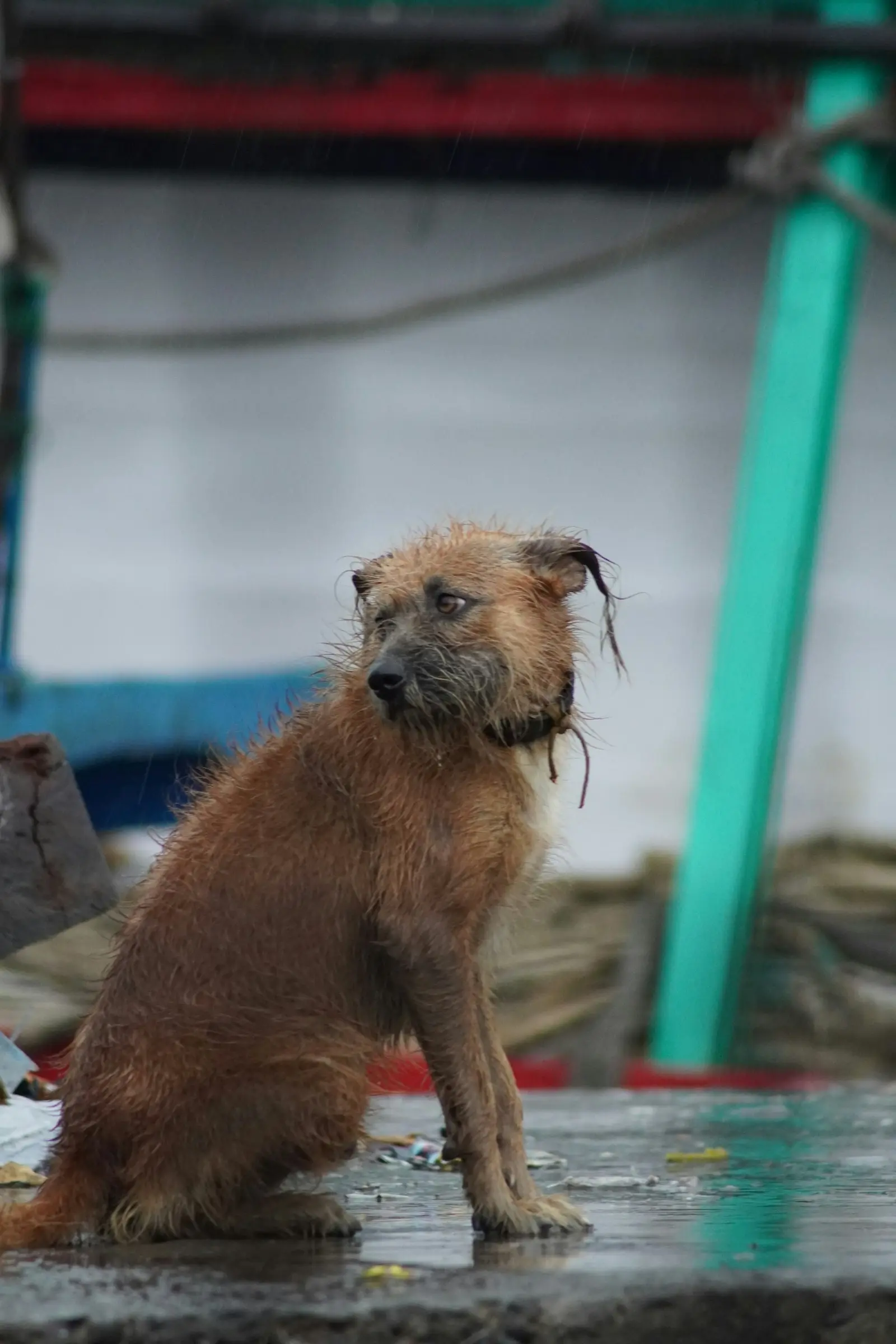
After months of scorching desert heat, Rajasthan's monsoon season (July to September) brings much-needed rain and cooler temperatures. While this season is a relief for both people and pets, it also creates a breeding ground for parasites, fungi, and bacteria that can seriously affect your pet's health. We see a sharp increase in tick-borne diseases, skin infections, and digestive issues during and immediately after the monsoon.
This guide covers the monsoon-related health risks your pet faces in Rajasthan and provides practical, actionable advice to keep them safe and healthy throughout the rainy season.
Common Monsoon Health Risks for Pets
The sudden increase in humidity and moisture in Rajasthan's normally arid environment creates conditions that are dramatically different from what local pets are accustomed to. This abrupt change makes them more vulnerable to a range of health issues.
Environmental changes
- Humidity spikes from 15% to 80-90%
- Stagnant water creates breeding grounds
- Wet, muddy surfaces harbor bacteria
- Reduced sun exposure affects vitamin D
- Damp conditions promote fungal growth
Common illnesses we treat
- Tick fever (ehrlichiosis, babesiosis)
- Ringworm and other fungal infections
- Leptospirosis from contaminated water
- Ear infections from trapped moisture
- Gastrointestinal infections
Tick and Flea Prevention During Rainy Season
Ticks and fleas thrive in the warm, humid conditions of the monsoon. In Jodhpur, we see tick infestations increase dramatically during this period. Tick-borne diseases like ehrlichiosis and babesiosis can be life-threatening if not caught early.
Prevention measures
- Use monthly spot-on or oral tick preventatives
- Apply tick-repellent sprays before outdoor time
- Check your pet for ticks daily, especially after walks
- Focus on ears, neck, between toes, and armpits
- Keep your home and yard treated with pet-safe sprays
Warning signs of tick disease
- Sudden fever and loss of appetite
- Pale or yellow gums
- Dark or bloody urine
- Extreme lethargy and weakness
- Swollen joints or limping
How to Remove a Tick Safely
Never pull a tick out with bare fingers or crush it. Improper removal can leave mouthparts embedded in the skin and increase infection risk.
- Use fine-tipped tweezers or a tick removal tool
- Grasp the tick as close to the skin surface as possible
- Pull upward with steady, even pressure; do not twist or jerk
- Clean the bite area with antiseptic
- Save the tick in a sealed container for identification if your pet becomes ill
- Monitor the bite site for redness or swelling over the next few days
Fungal Infections: Ringworm and Hot Spots
The high humidity during monsoon creates perfect conditions for fungal growth on your pet's skin. Ringworm and hot spots are among the most common complaints we treat during this season.
Ringworm (Dermatophytosis)
Signs to watch for
- Circular patches of hair loss
- Red, scaly, or crusty skin
- Itching and scratching
- Brittle or broken hair in affected areas
- Can spread to humans (zoonotic)
Treatment approach
- Antifungal medications (oral and topical)
- Medicated baths and shampoos
- Environmental decontamination
- Isolation from other pets during treatment
- Treatment typically takes 4-8 weeks
Hot Spots (Acute Moist Dermatitis)
What they look like
- Red, moist, oozing patches of skin
- Hair loss around the affected area
- Intense itching causing self-trauma
- Can appear and spread rapidly overnight
- Foul smell from the infection
Prevention
- Keep your pet dry after getting wet
- Ensure proper drying of the coat, especially the undercoat
- Regular grooming and mat removal
- Treat underlying allergies or flea problems
- Use a pet dryer or towel thoroughly after baths
Waterborne Diseases and Contaminated Puddles
Monsoon puddles, waterlogged streets, and stagnant water are common in Jodhpur during the rainy season. These water sources can harbor bacteria, parasites, and toxins that pose serious risks to pets who drink from or walk through them.
Leptospirosis: A Serious Threat
Leptospirosis is a bacterial disease spread through contaminated water, particularly from rat urine. It is especially common during monsoon and can be fatal if untreated. It is also zoonotic, meaning it can spread from pets to humans.
Symptoms
- High fever and shivering
- Vomiting and diarrhea
- Muscle pain and reluctance to move
- Jaundice (yellowing of gums and eyes)
- Decreased urination or dark urine
- Bleeding from mouth or nose
Prevention
- Leptospirosis vaccination (ask your vet)
- Prevent pets from drinking stagnant water
- Avoid walking through waterlogged areas
- Keep your premises rodent-free
- Wash pet paws after every outdoor excursion
- Provide only clean, filtered drinking water
Other waterborne risks
- Giardia: a parasitic infection from contaminated water causing chronic diarrhea
- E. coli: bacterial infection from contaminated puddles causing vomiting and diarrhea
- Algal toxins: stagnant water with algal bloom can cause neurological symptoms
- Chemical contamination: rainwater runoff may contain pesticides and toxins
Keeping Pets Dry and Clean
Most monsoon health problems stem from prolonged exposure to moisture. Keeping your pet clean and dry is the single most effective thing you can do to prevent skin infections, fungal growth, and parasitic infestations.
After every outing
- Towel-dry your pet thoroughly, including between toes
- Use a pet hair dryer on low heat for thick coats
- Wipe paws with a clean cloth or antiseptic wipes
- Check for ticks, leeches, or debris
- Change wet collars and harnesses immediately
Home hygiene
- Wash and sun-dry pet bedding every 2-3 days
- Use waterproof bed covers or elevated pet beds
- Keep pet areas well-ventilated to reduce dampness
- Use pet-safe antifungal sprays in damp areas
- Clean food and water bowls daily to prevent bacterial growth
Ear Infections from Moisture
Ear infections (otitis) skyrocket during the monsoon. Moisture trapped in the ear canal creates an ideal environment for bacteria and yeast to multiply. Breeds with floppy ears like Labradors, Cocker Spaniels, and Beagles are especially susceptible.
Signs of ear infection
- Frequent head shaking or tilting
- Scratching or pawing at ears
- Foul smell from the ear
- Dark, waxy, or pus-like discharge
- Redness or swelling of the ear canal
- Crying or whimpering when ears are touched
Prevention tips
- Dry ears thoroughly after baths or rain exposure
- Use vet-approved ear cleaning solution weekly
- Keep ear hair trimmed in hairy breeds
- Avoid inserting cotton buds deep into the ear
- Check ears regularly for redness or odor
- Visit the vet at the first sign of infection
Snake and Scorpion Awareness During Monsoons
Monsoon rains flush snakes and scorpions out of their burrows and into residential areas. Rajasthan is home to several venomous snake species, and curious pets are particularly at risk of bites when they investigate these creatures.
Signs of snake or scorpion bite
- Sudden yelping, limping, or swelling
- Two small puncture wounds (snake bite)
- Excessive drooling or difficulty breathing
- Rapid swelling at the bite site
- Weakness, vomiting, or collapse
- Dilated pupils or muscle tremors
What to do
- Keep your pet calm and still
- Do not try to suck out venom or apply a tourniquet
- Rush to the veterinarian immediately
- Try to identify or photograph the snake if safe
- Time is critical; anti-venom is most effective early
- Keep your pet's activity minimal during transport
Nutritional Adjustments for the Monsoon Season
Your pet's dietary needs change during the monsoon. Reduced outdoor activity, higher humidity, and increased disease risk all call for adjustments in what and how you feed your pet.
Diet recommendations
- Slightly reduce portion sizes if activity levels drop
- Choose easily digestible foods to prevent GI issues
- Add probiotics to support gut health
- Include immune-boosting supplements (consult your vet)
- Ensure adequate protein for immune function
- Avoid raw or semi-cooked food during monsoon
Food safety during rains
- Do not leave wet food out for more than 30 minutes
- Store dry food in airtight containers to prevent mold
- Check food for fungal growth or rancid smell before serving
- Provide only filtered or boiled water
- Clean food and water bowls with hot water daily
- Discard any food that has been exposed to rain water
Post-Monsoon Health Checkup: Why It Matters
Even if your pet seems healthy throughout the monsoon, many monsoon-related diseases have a delayed onset. A post-monsoon health checkup in October or early November is essential to catch any hidden issues before they become serious.
What our post-monsoon checkup includes
Physical examination
- Complete body examination for skin issues
- Ear check for lingering infections
- Dental examination
- Weight and body condition assessment
- Lymph node and joint check
Diagnostic tests
- Blood test for tick-borne diseases
- Fecal examination for intestinal parasites
- Urine analysis for kidney function
- Skin scraping if fungal infection is suspected
- Heartworm screening
Monsoon Health Checklist for Pet Owners
Use this checklist throughout the monsoon to stay on top of your pet's health.
- Tick and flea prevention is up to date
- Vaccinations are current (including leptospirosis)
- Daily tick checks after outdoor time
- Pet is dried thoroughly after getting wet
- Ears are cleaned weekly
- Bedding is washed and dried regularly
- Food is stored properly in airtight containers
- Only clean water is provided for drinking
- Pet areas are ventilated and dry
- Post-monsoon vet checkup is scheduled